
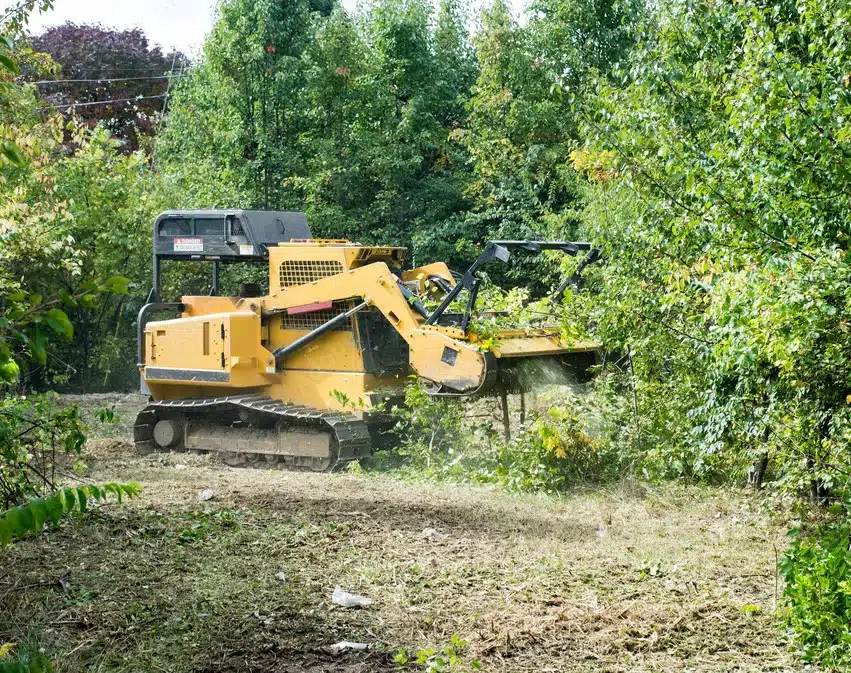
Are you considering clearing land on your property in McCaysville or the surrounding North Georgia area? The method you choose can have significant environmental impacts that last long after the work is complete. At Big Frog Forestry Mulching, we’re committed to sustainable land management practices that protect and enhance our natural environment while meeting your property improvement needs.
Why Environmental Considerations Matter in Land Clearing
The mountainous terrain and diverse ecosystems of North Georgia make environmental considerations particularly important when clearing land. Traditional clearing methods like bulldozing and burning can contribute to environmental degradation, including soil erosion, habitat destruction, biodiversity loss, and increased wildfire risks.
Climate change effects are already visible in our region, with shifting precipitation patterns and more extreme weather events. How we manage our land can either mitigate or exacerbate these challenges. Forestry mulching offers a revolutionary alternative that achieves your land clearing goals while supporting climate resilience and ecosystem health.
What Is Forestry Mulching?
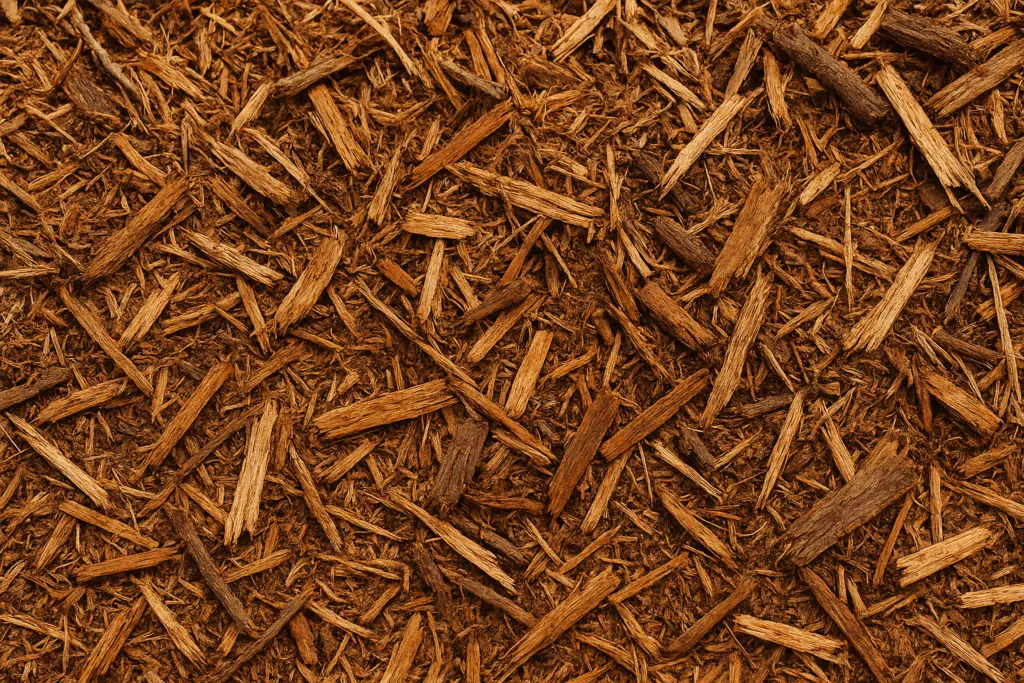
Before diving into the environmental benefits, it’s helpful to understand what forestry mulching is. This specialized land clearing technique uses advanced machinery to simultaneously cut, grind, and clear vegetation in a single process. Unlike traditional methods, forestry mulching transforms unwanted vegetation, brush, and small trees into beneficial mulch that remains on-site.
Our team at Big Frog Forestry Mulching uses state-of-the-art equipment and GPS technology to provide precise, efficient forestry mulching services throughout McCaysville and the tri-state area.
Environmental Benefits of Forestry Mulching vs. Traditional Methods
1. Soil Preservation and Erosion Control
Traditional Method: Bulldozing and heavy equipment operations scrape away topsoil and disturb the soil structure, leaving bare ground vulnerable to erosion—a significant concern in our hilly North Georgia terrain. This surface runoff can lead to sedimentation in nearby water resources and decreased water quality.
Forestry Mulching Benefit: Our forestry mulching process preserves the existing soil structure by working around root systems rather than removing them. The resulting mulch layer:
- Creates a protective barrier against rainfall impact
- Increases water infiltration into the soil
- Slows surface runoff on slopes
- Prevents soil displacement during heavy precipitation events
- Maintains soil integrity and structure
- Reduces sedimentation in nearby streams and waterways
- Improves overall soil quality and resilience
This erosion control is particularly valuable in McCaysville and surrounding areas, where our mountainous terrain makes properties naturally susceptible to erosion problems that can lead to land degradation over time.
2. Nutrient Recycling and Soil Health
Traditional Method: Burning or hauling away vegetation removes valuable organic matter and nutrients from your property, depleting soil fertility and requiring future fertilizer applications.
Forestry Mulching Benefit: The mulch created during the process returns organic matter to the soil as it decomposes, creating a natural fertilization system that:
- Enriches soil with essential nutrients
- Increases total organic carbon content
- Improves soil structure, porosity, and water retention
- Enhances soil microbiology and organism activity
- Promotes healthy regrowth of desired vegetation
- Reduces the need for chemical fertilizers
- Creates a healthier ecosystem from the ground up
- Supports sustainable agriculture practices on cleared land
Research shows that maintaining soil organic matter is crucial for long-term soil health and productivity. The decomposition process of the mulch mimics the natural cycle that occurs on forest floors, supporting soil functions that have developed over millennia.
3. Climate Change Mitigation and Carbon Sequestration
Traditional Method: Burning cleared vegetation releases carbon dioxide and other greenhouse gas emissions directly into the atmosphere, contributing to climate change. Bulldozing disrupts soil carbon stores, while hauling requires multiple pieces of heavy equipment and trucks that consume fossil fuels and increase your carbon footprint.
Forestry Mulching Benefit: Our forestry mulching service contributes to climate change mitigation by:
- Eliminating the need for burning vegetation and the associated pollutants
- Requiring fewer machines and less fuel than traditional methods
- Keeping carbon stored in the mulch as it slowly decomposes
- Enhancing soil carbon sequestration capabilities
- Reducing transportation emissions (no hauling away debris)
- Creating conditions for new vegetation growth that captures carbon
- Supporting the carbon cycle through natural processes
According to the Intergovernmental Panel on Climate Change (IPCC) Special Report on Climate Change and Land, sustainable land management practices like forestry mulching can play a significant role in climate adaptation and mitigation strategies.
4. Biodiversity Conservation and Wildlife Habitat Preservation
Traditional Method: Bulldozing and clear-cutting remove all vegetation indiscriminately, causing habitat destruction and biodiversity loss by eliminating food sources, nesting sites, and shelter for local wildlife.
Forestry Mulching Benefit: Our approach allows for selective clearing that:
- Preserves desirable trees and vegetation
- Creates “edge habitats” that many species thrive in
- Maintains wildlife corridors for animal movement
- Protects nesting sites and food sources
- Reduces disturbance to existing ecosystems
- Supports native species over invasive ones
- Promotes biodiversity across your property landscape
- Contributes to nature conservation at the local level
In the diverse ecosystems of North Georgia, this selective approach helps maintain the rich flora and fauna that makes our region special. Wildlife such as deer, turkey, and various bird species can continue to utilize the land even after clearing has occurred.
5. Invasive Species Management and Ecological Balance
Traditional Method: Many clearing methods fail to effectively control invasive species, which often return more aggressively after disturbance, outcompeting native species and reducing ecosystem health.
Forestry Mulching Benefit: Our process is particularly effective at integrated pest management for invasive species by:
- Thoroughly mulching invasive plants and their root systems
- Preventing regrowth through the mulch barrier
- Creating conditions that favor native species
- Allowing for targeted removal of problem areas
- Reducing seed bank viability in the soil
- Providing ongoing weed control options
- Supporting ecological restoration efforts
- Enhancing overall ecosystem services
This benefit is particularly important in our region, where invasive species like kudzu, privet, and certain cedar species can quickly overtake properties if not properly managed, threatening local biodiversity and changing landscape characteristics.
6. Fire Risk Reduction and Wildfire Prevention
Traditional Method: Burning creates immediate fire hazards, while leaving piles of woody debris creates long-term fuel for potential wildfires—a growing concern due to climate change effects in our region.
Forestry Mulching Benefit: Our service helps protect your property by:
- Creating effective firebreaks around structures
- Establishing defensible space around homes and buildings
- Reducing fuel loads across your property
- Converting potential fire fuel into moisture-retaining mulch
- Improving accessibility for emergency vehicles
- Decreasing the risk of catastrophic wildfire spread
- Supporting your overall fire prevention strategy
- Enhancing community safety and resilience
In the wooded areas around McCaysville, this fire risk reduction is a significant environmental and safety benefit that aligns with sustainable development goals for resilient communities.
7. Water Conservation and Hydrological Benefits
Traditional Method: Conventional clearing often disrupts natural water cycles, increasing runoff and reducing groundwater recharge.
Forestry Mulching Benefit: The mulch layer created through our process:
- Acts like a sponge, retaining moisture in the soil
- Increases soil moisture levels during drought periods
- Improves water infiltration rates
- Reduces irrigation needs for new plantings
- Helps maintain water quality in nearby streams
- Supports the natural water cycle
- Contributes to water conservation efforts
- May reduce flood risks during heavy precipitation events
These hydrological benefits are especially important in our region’s variable climate, where both drought and heavy rainfall events can occur within the same year.
8. Reduced Noise and Air Pollution
Traditional Method: Burning debris creates smoke and air pollution, while multiple machines operating for extended periods produce significant noise pollution.
Forestry Mulching Benefit: Our approach:
- Eliminates smoke and associated air pollutants
- Requires fewer pieces of equipment
- Completes projects more efficiently, reducing operational time
- Minimizes disturbance to neighbors and wildlife
- Improves overall environmental quality
- Supports environmental protection goals
- Maintains the natural environment’s tranquility
- Demonstrates environmental stewardship
For property owners in McCaysville concerned about being good neighbors and environmental stewards, these benefits add significant value.
Sustainable Land Management in Practice: A McCaysville Success Story
One of our recent projects in McCaysville involved clearing a five-acre parcel that had become overgrown with invasive privet and dense shrub vegetation. The property owner initially considered traditional bulldozing but was concerned about erosion on the sloped terrain and the potential impact on a small wetland area on the property.
Our forestry mulching approach preserved the mature hardwoods while removing the problematic vegetation. We created a 30-foot defensible space around the cabin and established access trails throughout the property. Six months later, the evaluation showed impressive results:
- Native grasses and wildflowers had established themselves in the mulched areas
- Soil erosion was minimal despite heavy seasonal precipitation
- Soil tests showed improved fertility and organic matter content
- The property owner reported seeing increased wildlife activity
- Fire risk was significantly reduced around structures
- The wetland area remained undisturbed and healthy
- Overall landscape aesthetics and usability were greatly enhanced
This project demonstrates how forestry mulching can achieve practical land management goals while supporting environmental stewardship and regulatory compliance.
When to Choose Forestry Mulching for Maximum Environmental Benefit
Forestry mulching is particularly beneficial for environmental protection in these scenarios:
- Sloped or erosion-prone properties: Common in the McCaysville area
- Properties with streams, wetlands, or water resources: Protects water quality
- Areas with desirable trees to preserve: Maintains forest canopy and carbon storage
- Properties with invasive species problems: Effective management without chemicals
- Areas where wildlife habitat is valued: Preserves biodiversity and ecosystem health
- Locations with fire concerns: Reduces fuel loads and creates defensible space
- Agricultural land conversion: Prepares land while maintaining soil health
- Trail or fence line creation: Minimizes disturbance to surrounding areas
- Sustainable development projects: Aligns with green building practices
The Economics of Environmentally Friendly Land Clearing
While environmental benefits are significant, many property owners also consider the economic aspects of different clearing methods. Forestry mulching often provides better value through:
- Reduced equipment needs: One machine versus multiple pieces of heavy equipment
- Faster completion: Increased efficiency means fewer billable hours
- No debris removal costs: Eliminating hauling and disposal fees
- Improved soil productivity: Potentially higher value for agricultural or development use
- Lower restoration costs: Less remediation needed after clearing
- Reduced erosion control expenses: Natural mulch layer prevents costly erosion issues
- Potential incentives: Some conservation programs may offer incentives for sustainable practices
- Long-term value: Improved property health and resilience
When evaluating the full lifecycle costs of land clearing, forestry mulching frequently emerges as the economically sound choice in addition to its environmental advantages.
Making the Eco-Friendly Choice for Your McCaysville Property
When considering land clearing options in McCaysville and surrounding areas, forestry mulching stands out as the environmentally responsible choice. By preserving soil structure, recycling nutrients, supporting carbon sequestration, protecting wildlife habitats, managing invasive species, and decreasing fire risks, this innovative approach aligns with sustainable land management principles and environmental stewardship.
At Big Frog Forestry Mulching, we take pride in offering this eco-friendly alternative to traditional clearing methods. Our experienced team and state-of-the-art equipment ensure efficient, effective results that benefit both your property and our shared natural environment.
Ready to transform your property while protecting the environment? Contact us today at (706) 851-3524 for a free consultation and quote. Let us help you make the sustainable choice for your land clearing needs in McCaysville and throughout North Georgia.